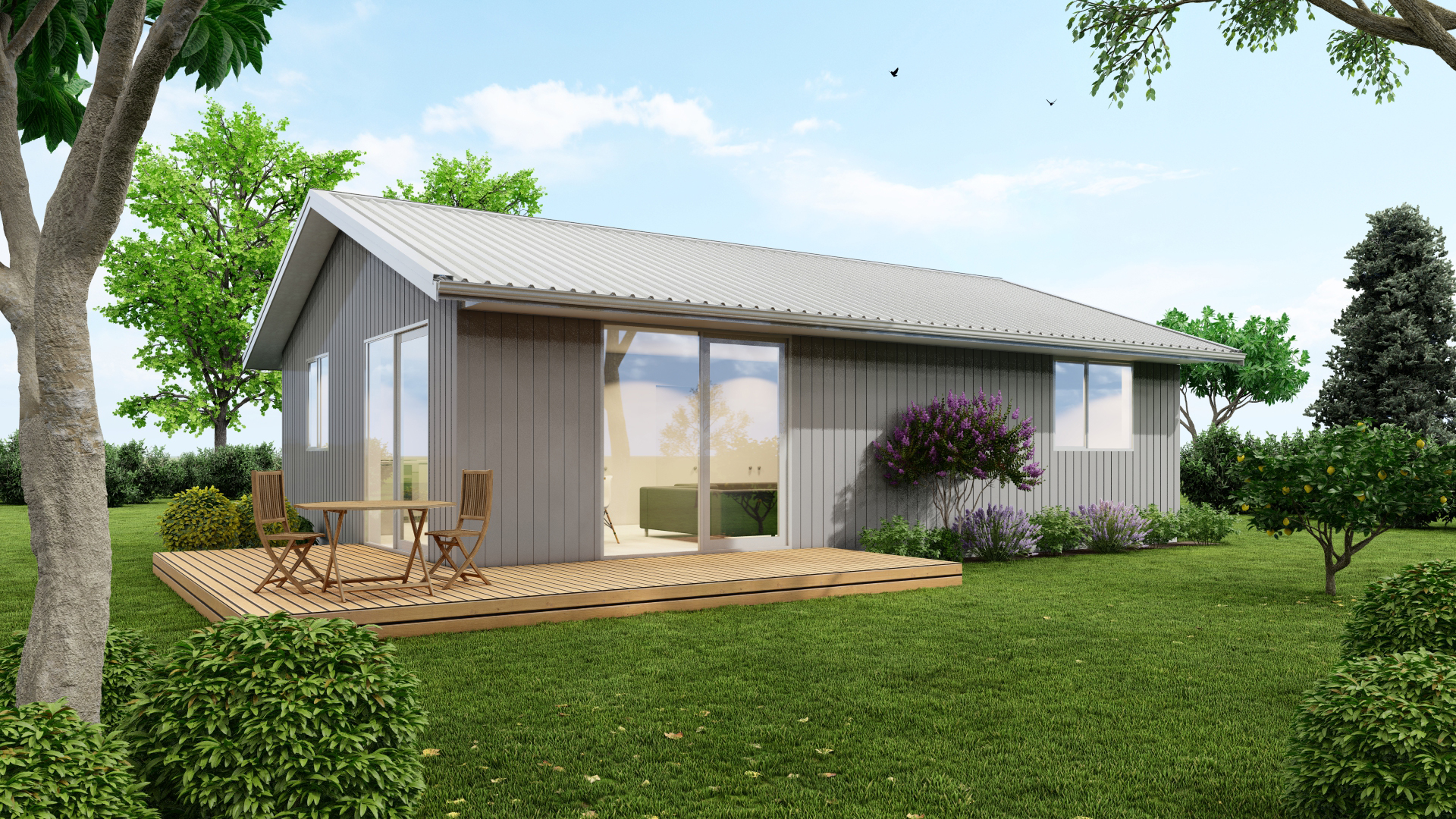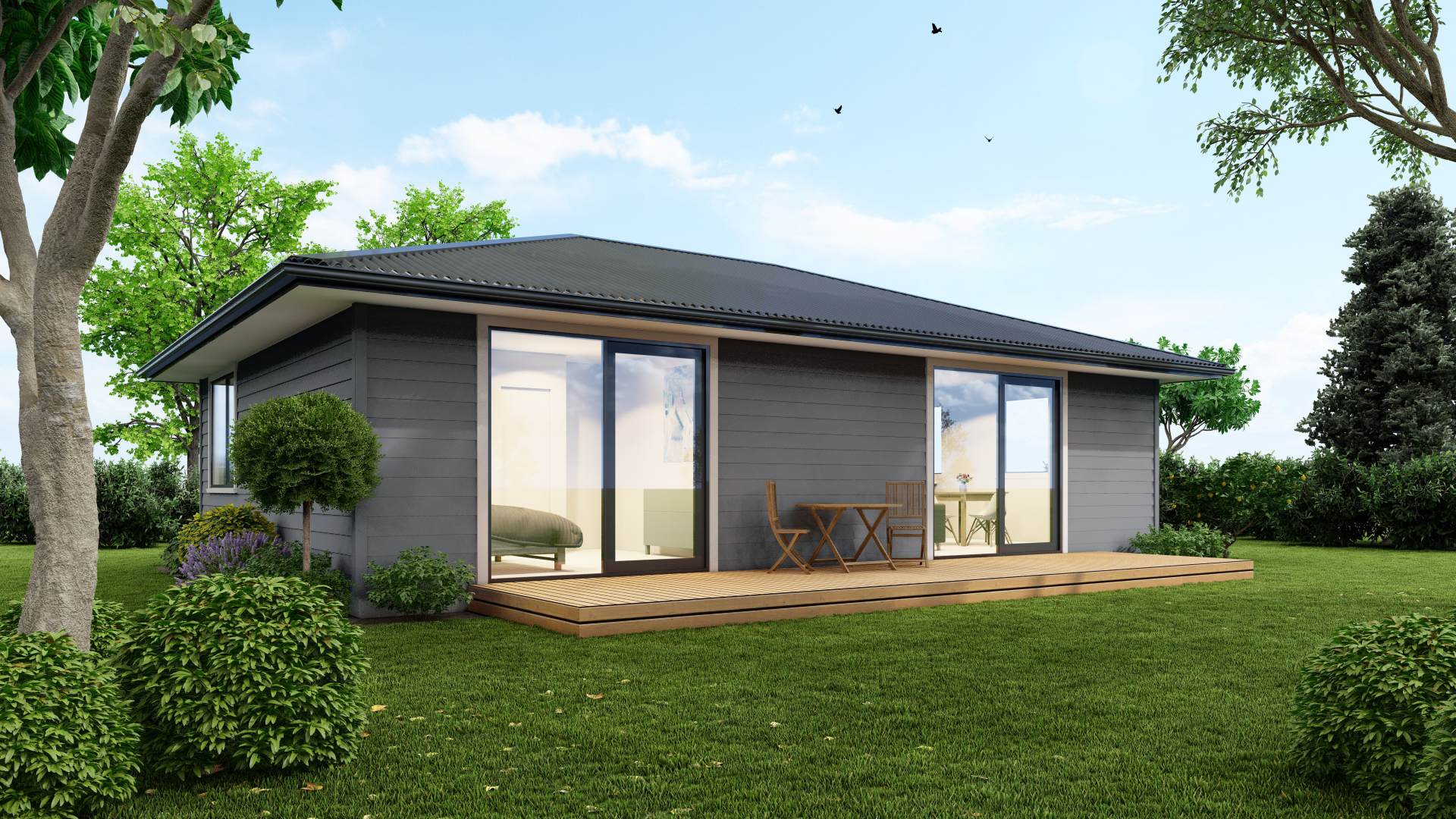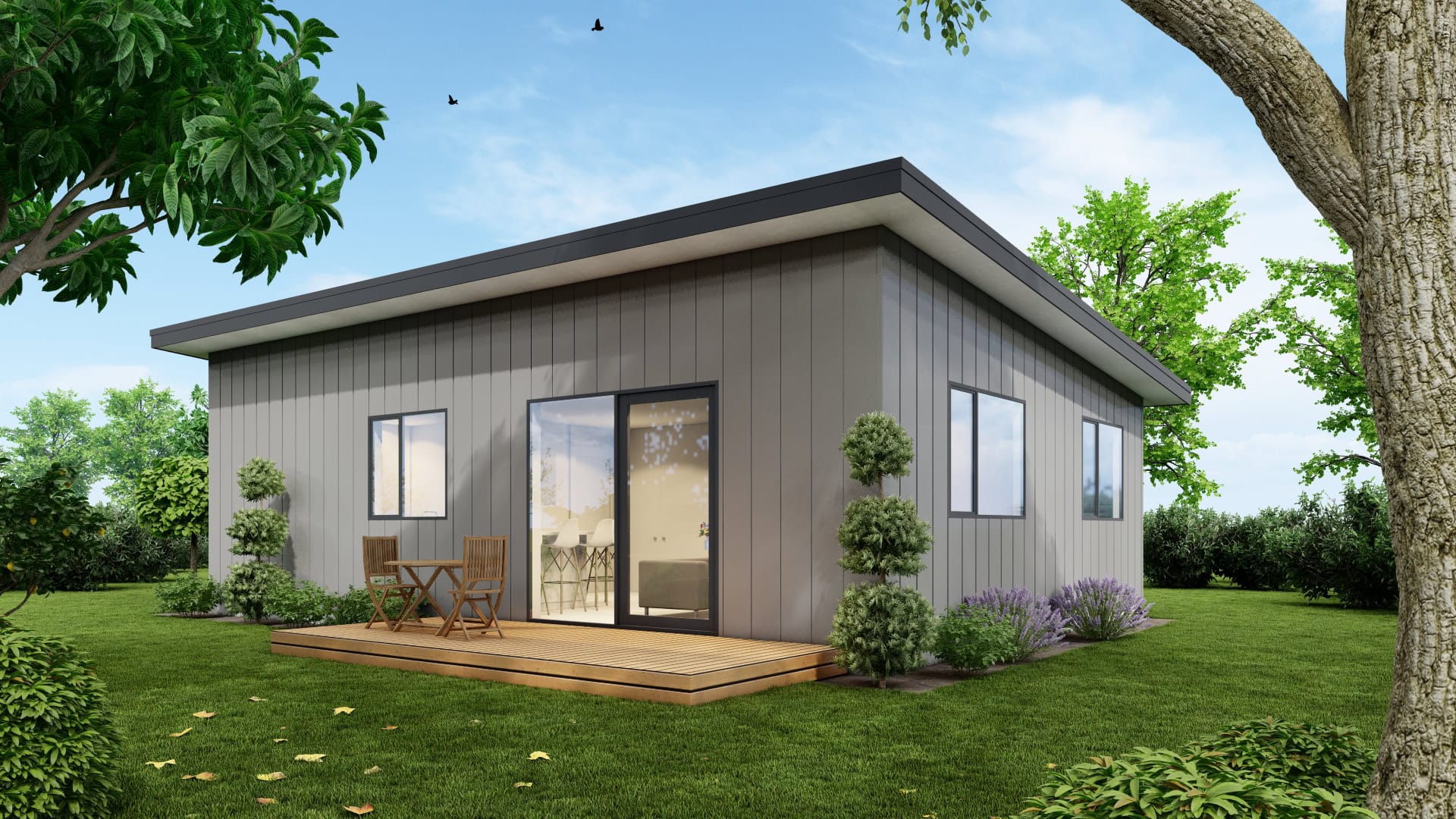
The way New Zealanders think about housing is changing.
With rising property prices and a growing demand for flexible living arrangements, many homeowners are looking for practical ways to make better use of their land.
One of the biggest developments in recent years is the introduction of new rules allowing certain standalone homes and granny flats up to 70m² to be built without a building consent.
For homeowners, this could mean a simpler pathway to creating additional living space for family members, generating rental income, or adding long-term value to their property.
In this guide, we’ll explain what has changed, what the new rules mean, and what you need to know before starting your project.
What Has Changed?
From January 2026, New Zealand introduced a new building consent exemption for certain standalone dwellings of up to 70m².
The exemption is designed to make it easier for homeowners to build small homes and granny flats while still ensuring buildings are safe, durable, and compliant with the New Zealand Building Code.
While this change removes the need for a building consent in some situations, it is important to understand that there are still rules and requirements that must be followed.
What Qualifies as a 70m² Granny Flat?
To be eligible for the exemption, the dwelling must meet specific criteria set by the Government.
Generally, the building must:
- Be a standalone dwelling
- Have a maximum floor area of 70m²
- Be a simple, single-storey design
- Comply with the New Zealand Building Code
- Be designed and/or built with the involvement of Licensed Building Practitioners (LBPs)
- Meet all exemption requirements outlined under the legislation
Every property is different, so it’s important to assess your site and proposed design before proceeding.
What Does "Consent-Free" Actually Mean?
One of the most common misconceptions is that “consent-free” means you can build whatever you like without involving the council.
In reality, the exemption only removes the requirement for a building consent when all qualifying criteria are met, as outlined above.
The goal of the legislation is to simplify the process while maintaining high standards for safety, durability, and compliance.
Building Consent vs Resource Consent
Building Consent
A building consent confirms that proposed building work meets the requirements of the New Zealand Building Code.
Under the new exemption, qualifying standalone dwellings of up to 70m² can be built without a building consent, provided all exemption criteria are met.
Resource Consent
Resource consent relates to how land is used and developed.
Planning rules can still apply to factors such as:
- Boundary setbacks
- Site coverage
- Height restrictions
- Flood hazard areas
- Heritage overlays
- Local district plan requirements
The Government has also introduced the National Environmental Standards for Detached Minor Residential Units (NES-DMRU), which may allow some qualifying granny flats to be built without resource consent. However, specific criteria still apply, and every property should be assessed individually.
Do I Need a Project Information Memorandum (PIM)?
Yes. Before construction begins, homeowners must apply for a Project Information Memorandum (PIM) through their local council as part of the exemption process.
A PIM provides important information about the property and helps identify matters that may affect the proposed build, such as drainage, services, natural hazards, or planning considerations.
While a PIM is not a building consent, it remains an important step in the process and helps ensure the project can proceed smoothly.
Do I Still Need to Involve the Council?
Yes, you still need to involve the council when building a minor dwelling under 70 m² .
Although qualifying projects may not require a building consent, councils must still be notified before construction begins and again once the work has been completed.
This helps ensure the exemption process is properly documented and that the required information is recorded against the property.
Why Are More Homeowners Considering 70m² Homes?
The flexibility of a well-designed 70m² home makes it an attractive option for many Kiwi families.
Popular uses include:
- Accommodation for elderly parents
- Independent living space for older children
- Rental accommodation
- Guest accommodation
With smart design, a 70m² home can provide comfortable, functional living without the footprint of a traditional house.
Common Misconceptions About the New Rules
"I don't need any approvals."
Not necessarily. While a building consent may not be required, planning requirements, council processes, and exemption conditions may still apply.
"Any 70m² building qualifies."
The exemption only applies when specific criteria are met, including design, construction, and compliance requirements.
"I can build without professional involvement."
Licensed Building Practitioners play an important role in ensuring the project meets exemption requirements and complies with the Building Code.
Is a 70m² Home Right for Your Property?
The new exemption creates exciting opportunities for homeowners, but every site is different.
Factors such as site access, services, drainage, zoning, and land size can all influence what is possible on your property.
Seeking professional advice early in the process can help you understand your options and avoid costly surprises later on.
Talk to the Team at ZB Homes
At ZB Homes, we specialise in building new homes that are designed around the way New Zealand families live.
Whether you’re considering a granny flat for family, investment, or additional living space, our experienced team can help guide you through the process and determine what is possible on your property.
Get in touch with us today to discuss your 70m² home project.